Charleston’s waterways are more than scenic views. They are living ecosystems filled with diverse marine life, coastal wildlife, and rich marsh habitats. From playful dolphins in the harbor to oysters filtering the tides and birds soaring over the marsh grass, the Lowcountry’s waters are alive with movement, sound, and natural beauty. Whether you are a local, a visitor, or planning a future water tour, understanding what lives in Charleston’s waters adds a deeper appreciation to every shoreline walk, boat ride, and harbor view.
Dolphins
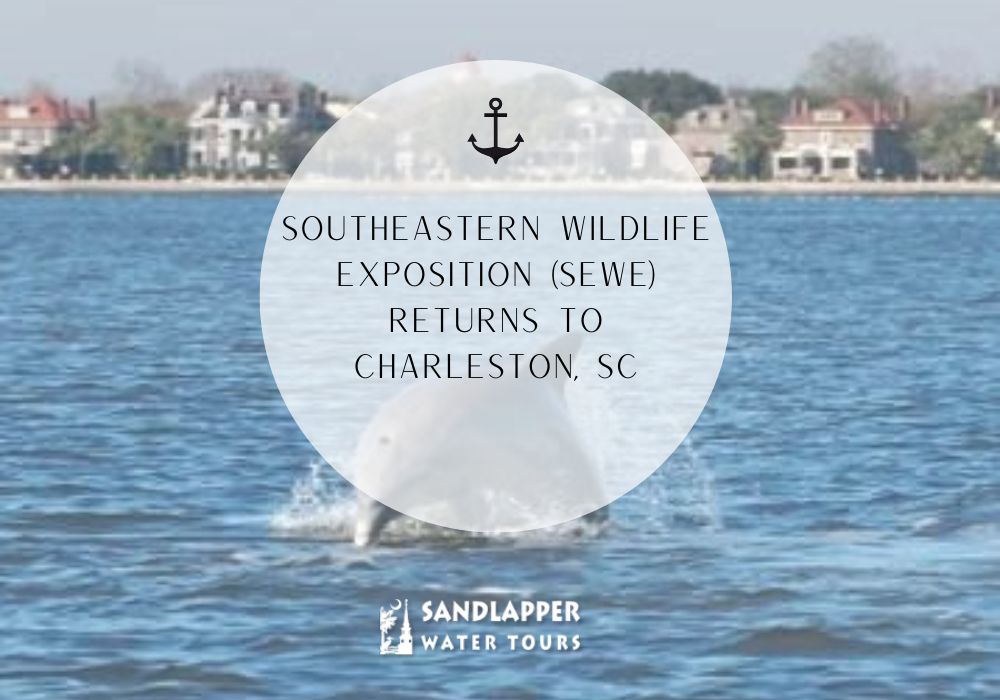
One of the most iconic species in Charleston’s waters is the Atlantic bottlenose dolphin. These intelligent and social marine mammals are frequently seen in Charleston Harbor, tidal creeks, rivers, and estuaries. Dolphins in the Charleston area are known for:
- Traveling in pods
- Bow riding alongside boats
- Using echolocation to locate fish
- Being active year-round in local waters
Dolphin sightings are one of the most memorable experiences for anyone exploring Charleston by water and remain a defining symbol of the area’s marine life.
Pelicans and Seabirds
Charleston’s coastal ecosystem is just as vibrant in the sky as it is in the water. The area supports a wide range of seabirds and coastal bird species that rely on the harbor, marshes, and shoreline for food and nesting. Common seabirds found in Charleston include:
- Brown pelicans
- Seagulls
- Terns
- Egrets
- Great blue herons
- Ospreys
These birds play an essential role in the coastal ecosystem, helping maintain balance by feeding on fish and small marine life while contributing to the natural rhythm of the harbor and marshlands.
Crabs and Oysters
Crabs and oysters are foundational species in Charleston’s marine ecosystem. They are essential to maintaining water quality and supporting the broader food chain. Crab species commonly found in Charleston waters include Blue crabs, Fiddler crabs, and Stone crabs.
Oysters are especially important to the Lowcountry’s coastal environment. The oyster beds naturally filter and clean water, Help prevent shoreline erosion, provide habitats for fish and marine species, and support the health of tidal ecosystems. These are the backbone of Charleston’s coastal wildlife system and are critical to the long-term health of the waterways.
Fish Species
Charleston’s tidal rivers, estuaries, and harbor support a diverse range of fish species that sustain the entire coastal food web. Common fish species found in Charleston waters include Redfish, Speckled trout, Flounder, Sheepshead, and Mullet. These fish populations provide food for dolphins, birds, and other predators while maintaining balance within the marine ecosystem.
Marsh Wildlife
The salt marshes are often called the nursery of the sea. These tidal ecosystems provide shelter, food, and breeding grounds for countless species of marine and land-based wildlife. Marsh wildlife commonly includes:
- Marsh birds
- Otters
- Raccoons
- Turtles
- Frogs
- Shrimp
- Juvenile fish species
Charleston’s marshlands are vital to biodiversity and play a major role in protecting the coastline while sustaining the region’s wildlife populations.
Why Charleston’s Marine Life Matters
Charleston’s waterways are interconnected systems. Tidal creeks, rivers, marshes, estuaries, and the harbor all work together to support life. Every dolphin, fish, bird, crab, and oyster plays a role in maintaining ecological balance. Protecting these ecosystems helps preserve wildlife habitats, coastal biodiversity, water quality, local fisheries, tourism, and long-term environmental sustainability.
Experience Charleston’s Wildlife from the Water
There is no better way to truly understand Charleston’s marine life than seeing it firsthand from the water. From dolphin sightings to marsh landscapes and bird sanctuaries, Charleston’s waterways offer a front row seat to the Lowcountry’s natural beauty.